Research Brief: Pairing Biochar with Bacillus Bacteria to Grow Cherry Tomatoes
 June 8, 2026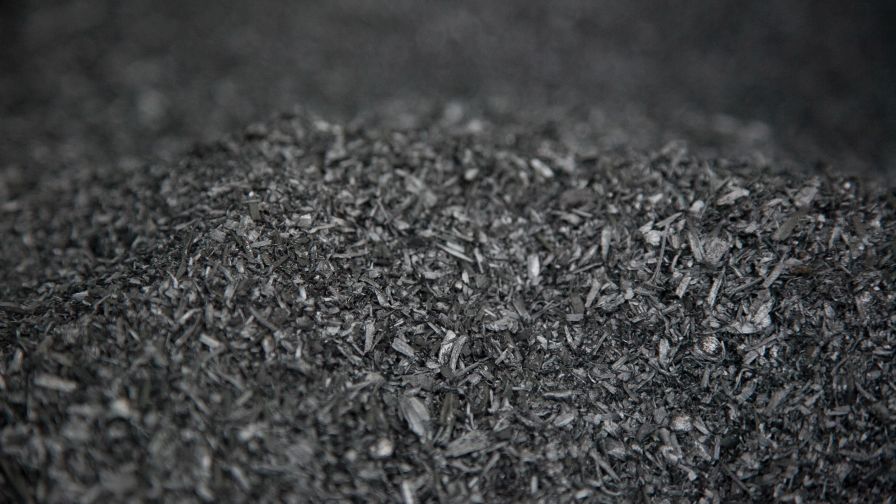
A pile of biochar.
A major obstacle to growing cherry tomatoes in greenhouses is providing the crop with enough readily available phosphorus for healthy and uniform development. However, a new study published in the Biochar journal by a team of researchers in China has identified a sustainable way to boost cherry tomato production by combining biochar with Bacillus bacteria that turns insoluble phosphorus into a form that’s more easily accessible for plants.
Biochar and Bacillus Cherry Tomato Trials
The study involved the test of four separate treatments:
- No amendment
- Biochar (derived from rice husks)
- Bacillus
- Biochar and Bacillus.
The combined consortium treatment method of biochar and Bacillus delivered the best results, including the following when compared to untreated soil:
- 10.16% increase in available phosphorus
- 174.6% increase in microbial biomass phosphorus
- 68.52% increase in alkaline phosphatase enzyme activity.
As a result, the tomato plants demonstrated larger and more active root systems with a nearly 20% increase in phosphorus uptake efficiency. Additionally, while the study notes that the consortium method resulted in slightly smaller individual fruits, the overall total crop yield increased by 23.53%.
For additional information on crop production and plant benefits observed from the biochar-Bacillus consortium treatment method, please read the full paper, “Synergistic Biochar‑Bacillus Consortium Enhances Phosphorus Availability, Root Architecture, and Inflorescence Development in Greenhouse Cherry Tomato,” here.