Greenhouse Energy Audits: Steps to Improve Profitability

 May 30, 2025
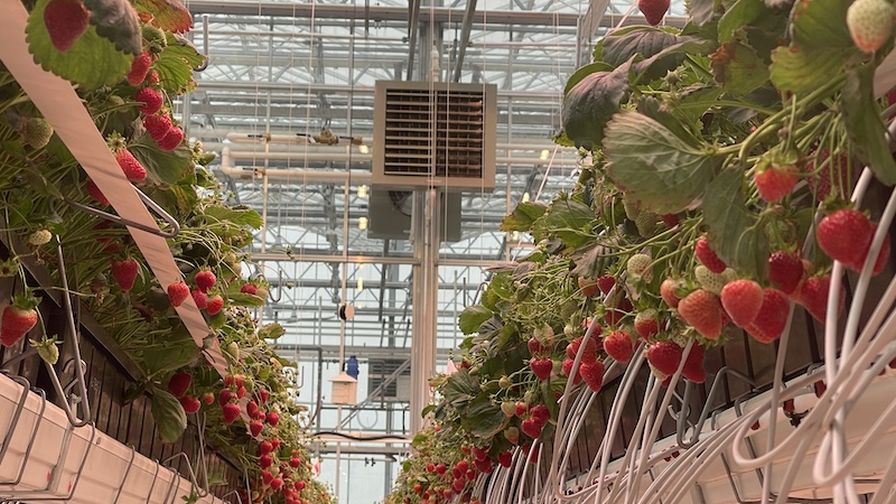
Photo: MPrise Software
One of the biggest misconceptions about growing crops under glass is that it is significantly more energy-efficient than indoor cultivation. In some cases, as in temperate climates with consistent natural sunlight, that may be true. But often, energy costs are one of a commercial greenhouse operation’s most significant expenses.
For larger operations, monthly bills exceeding tens of thousands of dollars are not uncommon. Managing energy usage wisely and finding reductions of even just a few percentage points can save growers thousands.
Optimizing your energy usage is rarely as straightforward as it seems. But it is achievable, even without making significant changes to your facility. It starts with a greenhouse energy audit.
Where to Start
Most businesses track key metrics like crop yield, units sold, and total cost per unit sold. But equally insightful metrics such as kilowatt hours or therms of gas used per unit aren’t always measured with as much consistency. Knowing how much energy your facility consumes–and when–is critical to understanding the true costs of operating your greenhouse.
The first step of a greenhouse energy audit is to review your energy bills and check the rate you pay for your building(s). Many utilities offer an agricultural rate that can be lower than a commercial rate, and large-scale operations may even be eligible for even lower industrial rates. A call to your account manager at the utility should get you the appropriate rate for the size and current energy consumption profile of your business.



The next step is tracking patterns in your electricity and gas usage over a period of time; a year is enough to see seasonal trends. Reviewing a year of data lets you create a baseline for future comparison and notice any trends that look unusual, like big spikes in demand.
Eye on Electricity
As the grid becomes increasingly constrained, many utility companies are increasing their fees to urge customers to reduce their power demand during peak times. For example, in California, agricultural electric customers pay summer peak energy demand rates anywhere from $4 per unit of electric demand (kilowatt, or kW) to over $20/kW. Even for small operations, reducing the size and time of your peak power draw can lower your monthly bill substantially.
Track monthly peak demand over time. If your utility shares an energy dashboard or gives you access to “interval data,” which describes demand as often as every 15 minutes, use it to get more granular information about how your facility uses energy.
Once you understand when your facility draws power, the next step is identifying the electrical components that draw the most power. For instance, observe how demand fluctuates hourly across many days to determine at what times you’re running the most equipment simultaneously. For greenhouse operations without supplemental lighting, the most significant sources of electricity consumption are motors running fans and pumps for irrigation, heating, and cooling equipment like wet walls. Greenhouses with supplemental lighting have electricity bills that are driven by light fixture type and lighting schedules.
Managing Natural Gas Consumption
If your facility uses natural gas, auditing your gas utility bill rate and usage trends will expose other factors that drive your energy costs. Natural gas for heating can account for 70% to 80% of total annual energy consumption for greenhouses and can be the second- or third-largest operating cost for a commercial greenhouse. We recommend using greenhouse curtains to trap heat at night and during the colder months. You might also consider upgrading from unit heaters to a condensing boiler system, which is much more efficient.
Take Control
Once you’ve measured and established a baseline for your energy usage, you can make adjustments with your equipment to help optimize it. For example, to reduce your demand charges, consider scheduling the operation of your more energy-intensive equipment or using sensors to stage on equipment only when needed. You can stagger the start-up times of multiple units to prevent them from turning on simultaneously and also use light sensors to control supplemental lighting.
Advanced climate monitoring, controls hardware, and controls software can help you evaluate if you’re experiencing significant fluctuations in temperature and humidity in your greenhouse. Larger fluctuations require more energy to bring the environment back into the ideal ranges for your plants. In addition, automated equipment using integrated controls can ensure the equipment runs only when necessary.
Upgrade Systems
Finally, you may want to consider replacing equipment that no longer performs well. A greenhouse energy audit and utility bill trends can help you prioritize which equipment upgrades and/or replacements should occur first.
Greenhouse HVAC equipment works harder in humid environments and typically needs to be replaced every 15 to 25 years. You can probably replace supplemental lighting fixtures that are more than 10 years old with energy-efficient LEDs. With utilities offering energy efficiency incentives across the U.S., upgrading to more energy-efficient HVAC and lighting equipment doesn’t need to break the bank.