Is Rootzone a Bottleneck in CEA?
 June 18, 2025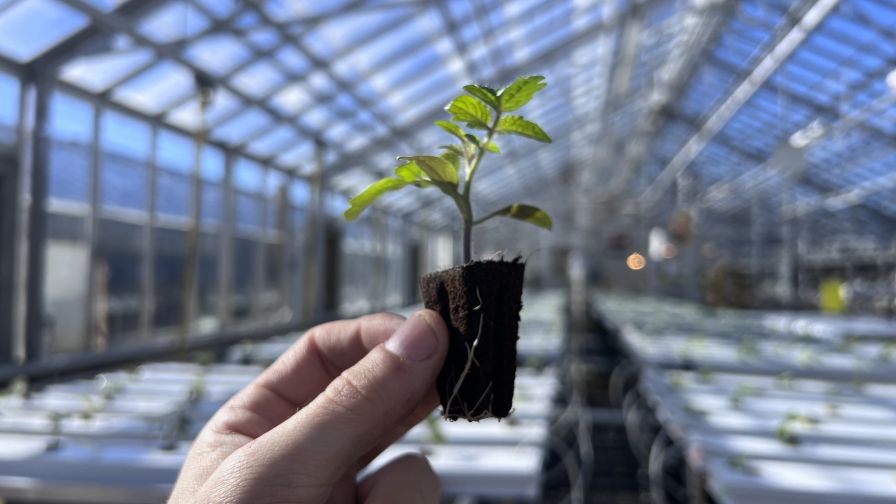
Walk into any state-of-the-art CEA facility today and you’ll probably see the latest in LED lighting, automated nutrient dosing, and precision climate control. You’ll hear the buzz of fans and the click of relay switches controlling fertigation intervals. The tech is impressive. But beneath the surface, some systems are quietly hitting a ceiling. The rootzone often remains under-optimized, overlooked, or misunderstood—one of several potential bottlenecks limiting crop performance.
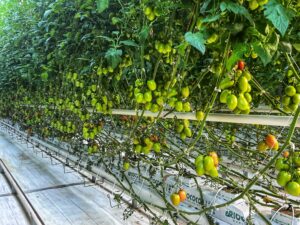
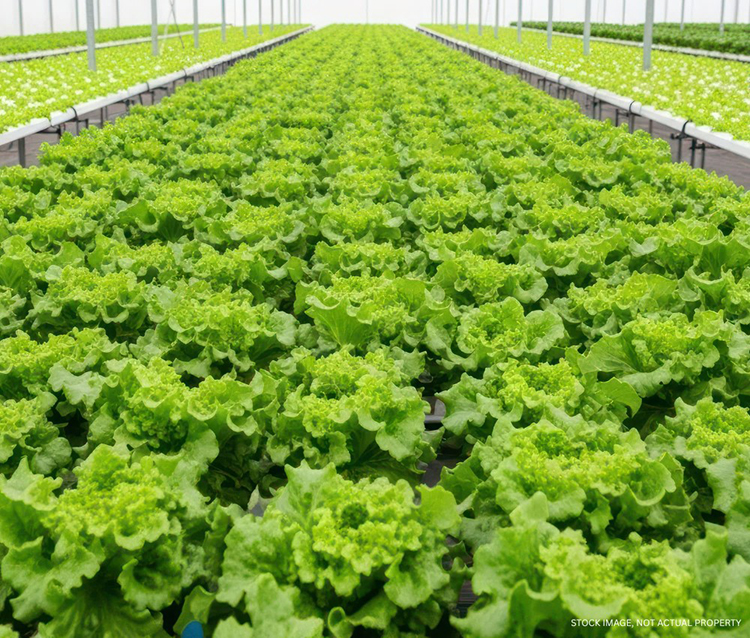
Many modern CEA systems are tailored to traditional horticulture and leafy greens production, often causing rootzone problems in fruiting crops. | Photo: Brandan A. Shur
High-Tech Lights, Low-Tech Roots
In the last decade, CEA has evolved rapidly. Multi-tier vertical farms, recirculating hydroponic systems, and real-time sensors have redefined what’s possible. Yet when it comes to rootzone design, some modern systems still rely on frameworks developed for traditional horticulture or optimized for leafy green production.
The result is mismatched substrates, poor water and oxygen dynamics, and limited root volumes that don’t always support long-term or high-demand crops. Even in some of the most high-tech systems, roots are often confined to shallow troughs or small-volume grow bags filled with generic substrates. That’s not inherently bad, but if the substrate dries too quickly, retains too much water, or compacts over time, yield and consistency can suffer.
For crops beyond baby greens, such as fruiting crops or herbs with deeper or more fibrous root systems, these challenges can become more pronounced. If the rootzone is unstable, inconsistent, or inhospitable, the rest of the system usually works overtime to compensate. In some cases, these mismatches between crop needs and system design can significantly hinder productivity goals.

The Cost of Overlooking the Rootzone
Root systems are the engines of nutrient uptake, hormonal signaling, and stress tolerance. Yet when problems emerge (tip burn, stunted growth, inconsistent flowering, or disease susceptibility), they often appear in the canopy. It’s important to note that these are symptoms, not causes.
Part of the issue is that in system design, rootzones are treated as passive components, rather than environments that can be monitored and optimized. Rootzone temperature, oxygen levels, water retention, and microbial interactions are among the influential variables that deserve closer attention. Unlike lights or dosing systems, rootzone conditions are much harder to retrofit once infrastructure is in place.
Substrate choice also plays a major role. Whether using coir, rockwool, peat-based blends, or newer engineered media, each has its own water-holding abilities, air porosity, and decomposition patterns over time. Yet substrate selection is sometimes influenced more by availability or historical preferences than by data.
Rootzone conditions are heavily influenced by container shape and irrigation strategies. Shallow channels may work well for leafy greens but fall short for crops with more aggressive root growth. Similarly, over-irrigation in a substrate with low air space can induce root hypoxia, even when nutrient delivery appears optimal.
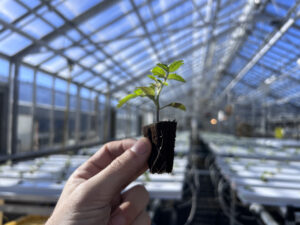
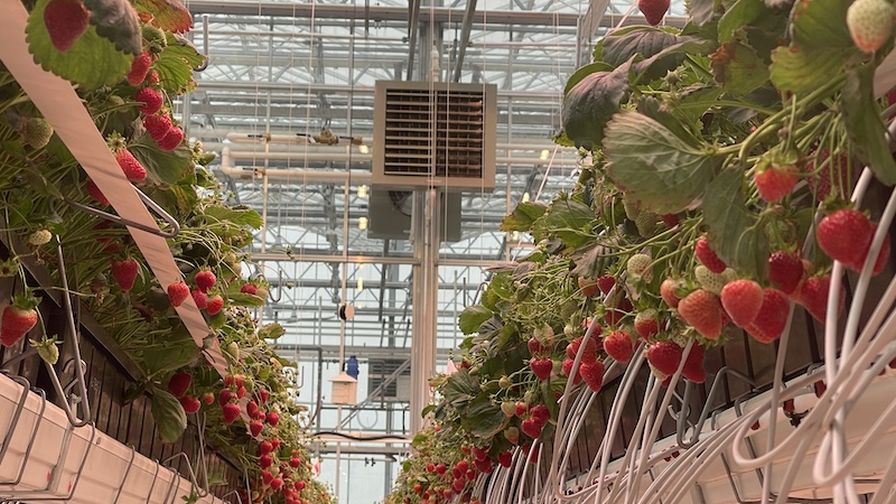
Choosing the right substrate is critical for avoiding rootzone problems. | Photo: Brandan A. Shur
Designing Systems from the Bottom Up
Fixing this bottleneck doesn’t mean abandoning what works. It means designing rootzones as intentionally as we design lighting maps or nutrient recipes. That starts with understanding how your substrate, container, and irrigation strategy interact as a system.
Ask questions: How fast does this substrate drain? How much air remains after irrigation? How does compaction change the hydro-physical properties over time? Will the container promote vertical growth, lateral spread, or both, and does that align with crop biology?
Like many components of a CEA system, the rootzone is dynamic. It evolves with every irrigation cycle, fertilizer pass, and environmental fluctuation. Successful growers monitor electrical conductivity (EC), pH, and rootzone moisture over time–data that can guide replacement cycles, crop transitions, and infrastructure decisions.
Rootzone Innovation: From Trials to Transformation
New facilities have an opportunity to design with rootzone-first thinking. That could mean installing deeper troughs for longer crops, using modular containers that allow easier refresh of root environments, or selecting substrates based not only on retention, but also on consistency throughout the crop cycle.
In existing systems, improvements may come from small, cost-effective adjustments: trialing new media blends, adjusting irrigation frequency, or using destructive sampling to track root health. Even a single test bench comparing containers or substrates can yield insights that translate into measurable gains.
If you’re working with a substrate vendor, ask questions. Request updated retention curve data, trial results, or CEA-specific recommendations. You may discover they’ve developed blends suited to fruiting crops or modular systems, even if their catalogs don’t say so yet.
It’s also worth remembering that substrate dynamics change with time. What performs well in the early weeks of a crop may behave very differently as roots mature and media begins to degrade. Periodic re-evaluation of rootzone performance can catch hidden limitations before they affect yield.
The Root of the Next Revolution
CEA is a field defined by precision. But true optimization means looking at every link in the chain, not just the ones with sensors or software. The rootzone might not beep or flash, but it plays a crucial role in determining whether all that high-tech investment pays off.
It’s time to stop thinking of the rootzone as static. It’s a living, evolving environment, just like the canopy, and it deserves the same level of attention. With the rise of more diverse crop portfolios, including fruiting vegetables and medicinal plants, there’s an increasing urgency to get rootzone dynamics right.
Stronger roots mean healthier plants, more consistent yields, and better returns from every square foot. And here’s the good news: we don’t have to choose between lighting precision and substrate performance, or between fertigation accuracy and smart container design. The most resilient CEA systems will harmonize all these elements. Because the next breakthrough in CEA agriculture won’t just come from above the canopy — it begins beneath it, in the rootzone.