The Heat is On: Using Wood Biomass for Greenhouse Climate Control
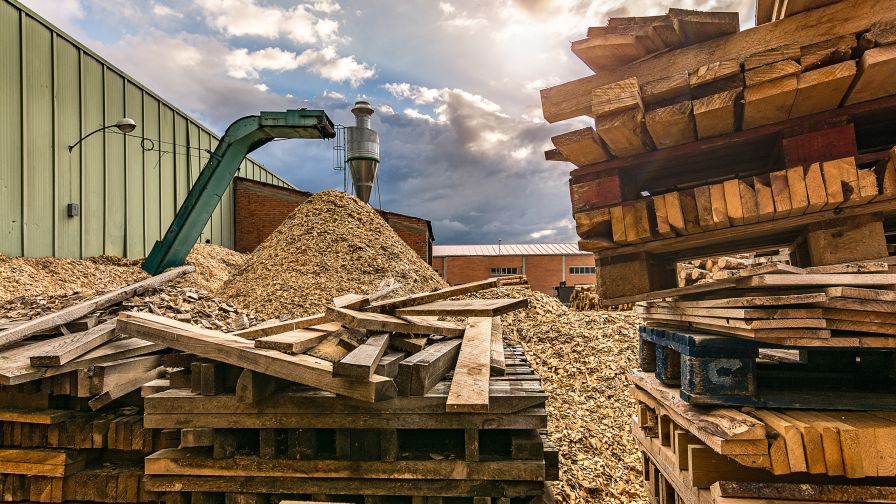
Wood biomass is not a new source of greenhouse fuel, but it’s becoming increasingly popular for improving efficiency and sustainability while lowering costs. | Photo: Adobe Stock
To maximize growing time, particularly in colder climates, greenhouse growers must bring the heat. And while natural gas and propane have been reliable fuel sources for heating for decades, the quest for more efficiency, sustainability, and lower costs is never-ending. Wood biomass is not a new source of greenhouse fuel, but it’s an increasingly compelling option toward these goals. For those considering it, here’s what you need to know.
Cost Comparisons
Cost is the biggest appeal of wood biomass. A cord (128 cubic feet) of wood averages $100 across the U.S., based on Yelp data from wood suppliers. According to research from the University of Wisconsin Extension, wood chips for biomass fuel can cost as little as $6.50 per million BTU. By contrast, natural gas is $9 per million BTU and propane is more than $27 per million BTU at current prices (all costs are variable by region and availability).

Steve Bertrand, general manager of Les Serres Stephane Bertrand
Partnering with a local tree care business or utility can bring the wood biomass cost down even more. “Tree companies need a place to dump the material they clear from power lines, for instance,” says Nate Donley, technical horticulturist with CropKing, a Lodi, Ohio-based hydroponics equipment supplier. “I know of some cases where they do that at large growers’ facilities.”
Another option for wood biomass is melamine waste, a byproduct of the furniture industry that would normally be sent to a landfill. For greenhouse grower Les Serres Stephane Bertrand Inc. in Mirabel, Quebec, Canada, this option makes the most sense considering the large volumes of melamine residue generated in Quebec.

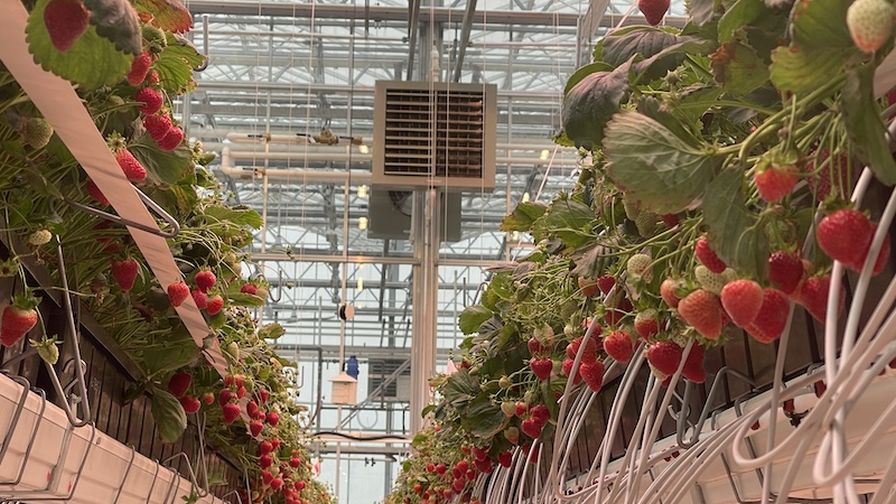
“We’ve established agreements with local partners, ensuring steady, low-cost and reliable supply,” says Steve Bertrand, general manager of Les Serres Stephane Bertrand.
System Setup Considerations
Les Serres Stephane Bertrand Inc. was founded in 1990 and grows radishes, tomatoes, and specialty mushrooms. The company operates a total of 10 hectares of greenhouses, and in 2003 it introduced wood biomass for some of its specialty crops.
“It was primarily to reduce our dependence on fossil fuels and to stabilize our energy costs in the long-term,” Bertrand says. “We were also motivated by our desire to reduce our
greenhouse gas emissions and align with Quebec’s push for greener energy solutions.”
In Quebec, biomass boilers are subsidized, which made the transition more attractive for Bertrand.
“The initial acquisition cost for a wood-fired boiler with a filtration system is about 10 times higher than a comparable natural gas boiler (for example, $3 million versus $300,000),” Bertrand says. “But the operating costs are significantly lower. Recycled wood biomass costs about $80 per ton compared to natural gas at 40 cents per cubic meter. This represents about one-third of the cost for fuel over time. Despite the high upfront investment, the return on investment is relatively quick thanks to fuel savings, available subsidies, and the growing carbon-conscious market.”
Wood biomass heating is best done when setting up a new greenhouse versus retrofitting an existing operation, because you have to install new heating distribution systems that can disrupt production and compromise efficiency
“We chose to use melamine biomass in new greenhouses, where the system could be integrated from the ground up,” Bertrand says. “Retrofitting is indeed more expensive and complex, but not impossible.”
His advice to growers who may want to retrofit: “Invest in a detailed engineering assessment before committing, and work with local suppliers and government programs to take full advantage of financial and technical support.”
Maintenance Matters
Wood biomass heating systems require more hands-on maintenance compared to conventional heating, needing to be fed every four to 12 hours depending on boiler size, insulation, and outdoor temperatures. Auto-feeding machines are an option: They need to be refilled every few days or weekly, Donley says, and that’s an additional cost.
Routine maintenance on biomass boilers includes daily pressure and temperature checks, weekly ash removal and fuel level checks, monthly combustion and filter and valve checks, and a professional service and tune-up before winter. Larger facilities may opt for a part-time mechanic focused on this task, Donley suggests.
Specific types of wood fuel may also need additional components that require maintenance. Melamine waste heating, for example, requires a high-performance filtration system suitable for melamine combustion, which can increase initial costs. “But a well-maintained biomass heating system can last 20 to 25 years or more,” Bertrand says. Maintenance includes regular ash removal, filter checks, calibration of the emissions control system, and annual professional inspections.
Melamine also requires regulatory compliance, including obtaining environmental permits and an annual GHG emissions certification, as well as monitoring chemical emissions of things like formaldehyde and VOCs, Bertrand says.
Best Practices
Wood can come in pieces or chips, but it all needs to be stored properly and seasoned so it’s dry, which burns hotter and cleaner and causes less wear and tear on equipment. Hardwoods like oak, maple, hickory, chestnut, and cherry make the best fuel.
Wood stored in a dry, three-sided, covered structure will take approximately one year to season. The structure should be open to wind for drying but protected from rain. Donley advises having 30 to 60 cords of wood seasoning one year in advance. When storing wood chips, turn them monthly to prevent spontaneous combustion. Ideally, a grower should have two years’ worth of burning wood ready to go when heating season starts, Donley says.
For Bertrand, melamine biomass heating has proved its worth. “It’s created substantial energy savings, reduced our environmental impact, and contributed to the local circular economy,” he says. “While the system requires a serious commitment at the outset, it has proven to be highly beneficial and sustainable solution over the long term when properly planned and managed.”
This article is a part of CEAg World’s Industry Report: Greenhouse Produce. Download the full report here: https://www.ceagworld.com/industry-reports/.