With Mexican Tariff Still in Place, U.S. Tomato Prices Continue to Rise
 December 5, 2025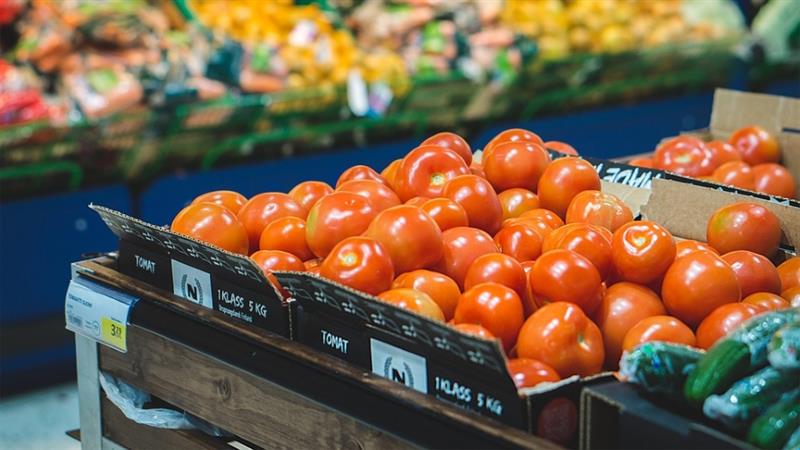
Photo: AdobeStock
Trade policies are filtering down to household budgets, and tomatoes may be an indicator of just how quickly prices are rising.
Tariffs were a primary focus of the Trump administration at the beginning of the year. The reciprocal tariffs on dozens of countries have been in place for more than three months. Several other trade duties on specific items imported into the U.S. are also in effect. Inflation reports indicate that prices have risen over the year, and experts attribute this at least partly to tariffs.
Specifically, the cost of tomatoes across retailers has varied from week to week, with pricing fluctuating up and down. Even with fluctuations, the current prices of grape tomatoes are higher compared to when Investopedia first started tracking them on April 23, 2025.
As of Nov. 19, 2025, grape tomatoes from Walmart are 4% more expensive, at Target the tomatoes are 8% more expensive, and, on Amazon, tomatoes are 18% more expensive.
Which Tariffs Are Impacting Tomatoes?
The main trade duty on imported tomatoes is a 17.09% tariff on most tomatoes from Mexico, which took effect on July 14, 2025. The Department of Commerce announced this tariff in April, saying Mexican imports have been unfairly priced, and this “action will allow U.S. tomato growers to compete fairly in the marketplace.”





Mexico supplies about 70% of all tomatoes in the U.S., according to the Florida Tomato Exchange.
President Donald Trump’s “reciprocal” tariffs officially took effect on Aug. 7, 2025, but have less of an impact on tomatoes. These country-specific tariffs do not impact goods that comply with the U.S.-Mexico-Canada Agreement, which includes tomatoes. The U.S gets about 12% of its imported tomatoes from Canada, according to data from the U.S. Census Bureau.
However, the reciprocal tariffs did impact other countries, such as New Zealand, Moldova, Ecuador, and Japan, whose tariff rates ranged from 15% to 25%. In 2024, these countries imported approximately $173,917 worth of tomatoes, accounting for about 0.005% of the total tomatoes imported by the U.S.
Recently, Trump announced that the reciprocal tariffs would be lifted from certain agricultural products, including tomatoes. However, the tariffs on Mexican tomatoes will likely remain, as this trade duty was not part of Trump’s sweeping reciprocal tariffs.
For additional information and charted data on tariffs’ impact on U.S. tomato prices, please read the original article written by Elizabeth Guevara and found on the Investopedia website.