McGill University Opens New Agri-Research and Teaching Facilities
 April 15, 2026
Dignitaries at the inauguration of the new facilities included (L to R); Salwa Karboune, Dean of McGill's Faculty of Agricultural and Environmental Sciences; Mohamad Nasser-Eddine, Vice-President Programs and Planning, Canadian Foundation for Innovation; Deep Saini, President and Vice-Chancellor of McGill; Francis Scarpaleggia, Member of Parliament for Lac-Saint-Louis; and Anja Geitmann, McGill's Vice-President (Global Engagement) | Tom DiSandolo
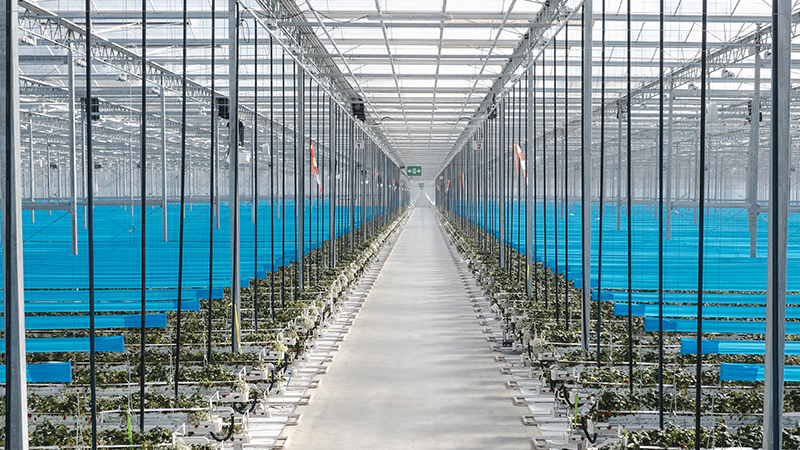
In an effort to promote climate-focused agricultural teaching, McGill University has opened a teaching greenhouse and advanced plant phenotyping facilities at its Macdonald Campus in Ste-Anne-de-Bellevue.
The greenhouse is attached to the university’s Raymond Building and features a tissue culture facility, independently controlled growing bays, and teaching labs. Additionally, with a focus on sustainability, the facility incorporates energy-efficient systems, irrigation rainwater capture, and LED lighting.
Opening Ceremony and Education Goals
The project was backed by $23 million from Quebec’s Ministère de l’Enseignement supérieur, in addition to $1.4 million from McGill.
The opening ceremony of the facilities took place on Thursday, April 9, 2026, with McGill University leaders, staff, students, and faculty members in attendance, as well as special guests.
“For generations, McGill has played a foundational role in Quebec’s agricultural sector, through education, research, and partnerships that extend across the province,” said Deep Saini, president and vice-chancellor of McGill at the ceremony, as chronicled by the McGill Reporter. “The Macdonald Campus stands at the heart of that contribution, and today’s inauguration signals our continued commitment to its future.”



For additional information on the facilities’ roles in expanding research capacity and investing in Canadian agriculture, you can read the original article from the McGill Reporter.