A Look at the Current State of Greenhouse Agriculture
 October 15, 2026
Cover to the State of Greenhouse Agriculture: Safety and Supply Dynamics Drive Continued Greenhouse Growth report. | Cox Farms
According to the newly released State of Greenhouse Agriculture: Safety and Supply Dynamics Drive Continued Greenhouse Growth report from Cox Farms, greenhouse-grown produce is outperforming field-grown alternatives across several major produce categories, creating new opportunities for growers, retailers, and CEA operators. The report draws on data from NielsenIQ, USDA, Numerator, and a proprietary study conducted by Morning Consult to examine how food safety concerns, shifting consumer preferences, and supply chain pressures are accelerating the adoption of greenhouse produce.
Greenhouse Produce Continues to Gain Market Share
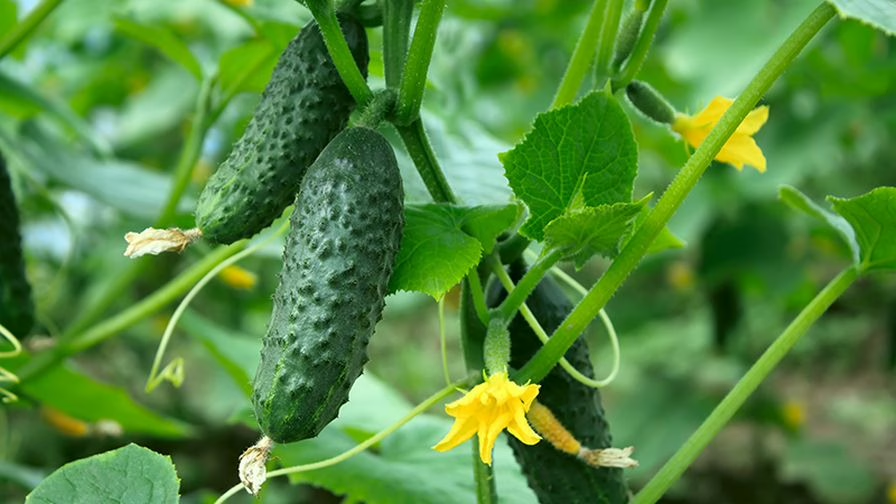
The report found that greenhouse tomatoes, cucumbers, peppers, and packaged salads all surpassed field-grown counterparts in year-over-year growth. Packaged salads delivered the strongest performance, with greenhouse-grown products increasing 27.4% while field-grown salad products declined during the same period. Although greenhouse products represented only about 8.7% of packaged salad sales, they generated all of the category’s growth during the reporting period.
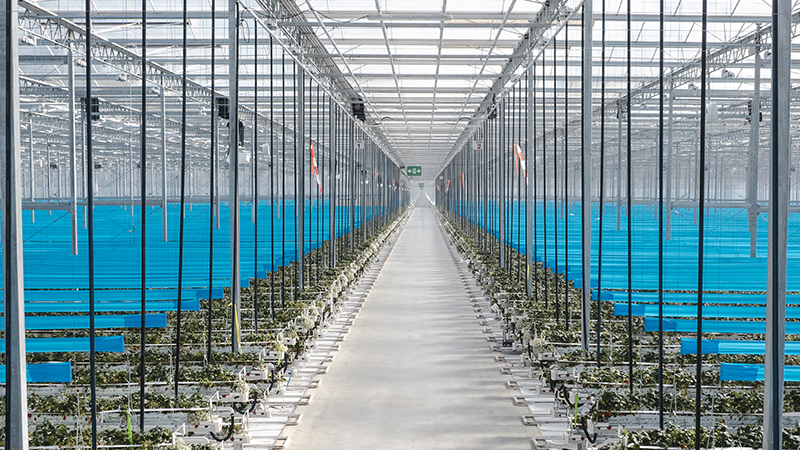
Cox Farms’ researchers also noted that greenhouse production has already become well established for vine crops, such as tomatoes, peppers, and cucumbers. However, leafy greens and berries remain important growth opportunities as retailers seek more reliable and consistent sources of fresh produce. Additionally, the report highlights the role of imports from Canada and Mexico in supporting year-round U.S. greenhouse supply.
Food Safety Becoming a Major Driver
A key theme in the report is the impact of the 2026 Cyclospora outbreak. Survey data showed that 87% of produce shoppers were aware of the outbreak, 69% expressed concern, and 58% changed their produce purchasing habits as a result.
The findings suggest that greenhouse-grown products may benefit from consumer perceptions of greater control, consistency, and reliability during periods of supply chain disruption or food safety concerns. Retailers carrying larger greenhouse assortments generally experienced stronger category performance both before and after the outbreak. Those with the highest greenhouse penetration recorded smaller sales declines than retailers with lower greenhouse representation.

Consumer Education Remains a Significant Opportunity
Despite the category’s momentum, awareness remains a challenge. The report found that only 59% of consumers were familiar with greenhouse produce, compared with 98% of industry professionals surveyed. Many shoppers were unable to identify whether specific produce brands relied on greenhouse or field production methods.
Researchers suggest that growers and retailers can increase adoption by focusing on tangible consumer benefits such as freshness, product consistency, food safety, sustainability, local production, and year-round availability rather than emphasizing production technology alone. Consistent quality and positive eating experiences are critical for building long-term consumer trust and repeat purchases.
What Comes Next for Greenhouse Agriculture?
Looking ahead, the report identifies three factors that will shape future greenhouse growth: consumer trust, category productivity, and supply reliability. As retailers refine assortment strategies and shoppers place greater importance on food safety and dependable supply, greenhouse produce appears positioned to play an increasingly important role in the future of the produce department.
For more insights on the current state of greenhouse agriculture and the growing popularity of greenhouse-grown produce, download and read the full report from Cox Farms here