Lessons Learned at the End of the 2026 Cyclospora Outbreak
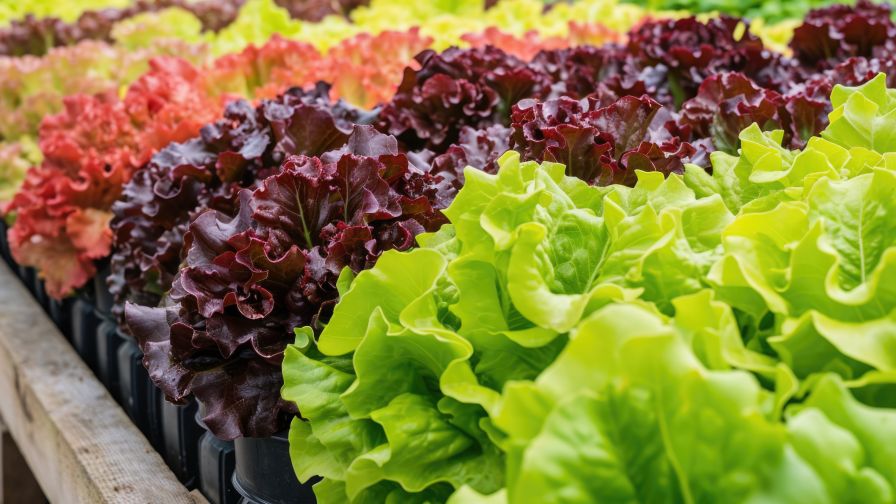
Photo: Adobe Stock
The Centers for Disease Control and Prevention (CDC) has declared that the 2026 multi-state Cyclospora outbreak, linked to shredded iceberg lettuce, has ended.
“This outbreak had a devastating impact on thousands of consumers and on confidence in fresh produce and salads in particular,” said Tom Stenzel, executive director of the CEA Alliance. “We’re pleased that CDC has determined that the outbreak is over and that the implicated products are no longer a source of risk. We should now focus on applying the lessons learned from this outbreak.”
Of note, highly controlled indoor-grown salad products were never suspected as the source of this outbreak. “This distinction matters,” Stenzel said. “Not all lettuce—and not all growing systems—carry the same production conditions. High-tech greenhouses and indoor farms are fundamentally designed to control the growing environment, including water, sanitation, access, temperature, and other factors that can affect food safety.”
“It’s important for public health officials, government agencies, reporters, and other communicators to be precise in describing the source of future foodborne illness outbreaks,” Stenzel continues. “Consumers need accurate information about where their food comes from and how it is produced.”
The 2026 Cyclospora outbreak also demonstrates the importance of improving the nation’s understanding of how different agricultural production systems affect food safety. Highly controlled indoor agriculture can provide producers with substantially greater control over many of the variables that could cause contamination. That does not mean indoor-grown produce is inherently risk-free. Rather, food-safety assessments should be based on the actual production system and evidence associated with an outbreak, rather than broad assumptions about an entire category of produce.




“We should use this experience to make the entire produce system safer,” Stenzel said. “That means better surveillance, faster traceback, strong prevention practices, and more precise public communication. Most importantly, consumers should continue to have confidence in fresh produce. The end of this outbreak is an opportunity to reinforce that confidence with facts, transparency, and a clear understanding of the different ways food is grown.”
For more information on the Cyclospora outbreak and best food safety practices, check out the following related news pieces on the topic linked below:
- Opinion: It’s Time to Tell Our Safety Story
- CEA Alliance Publishes New Food Safety Guidelines for Leafy Greens and Herbs
- FDA’s Cyclospora Investigation Keeps Food Safety in the Spotlight
- Cyclospora Outbreak Highlights Food Safety Priorities for CEA Growers
- CEAg Talks: The Right Way to Educate Buyers on CEA Food Safety
- Research Shows Cyclospora Concerns Are Shifting Consumer Demand Away From Fresh Produce
- Local Bounti Sees Growing Retail Focus on CEA Food Safety