Equipment Planning and Upgrading for More Efficient Greenhouses
 June 26, 2025
Photo: Ceres Greenhouse Solutions
The work it takes to maintain a commercial greenhouse is never-ending, requiring big decisions about how best to optimize your environment to keep operating costs low and production numbers high. A lot of what makes or breaks a successful business starts with greenhouse equipment planning and upgrades. Even if you know what type of equipment you want, you need to make sure that everything works together properly to ensure efficiency and productive growth. Before you build your greenhouse, consider the following aspects of your equipment layout.
Clash Detection
When deciding on an equipment layout for your greenhouse, it’s important to think holistically. Make sure when you’re selecting systems during the design process that they are engineered to work seamlessly with other pieces of equipment. You don’t want a dehumidifier running at the same time as a high-pressure fogging system, with one trying to reduce humidity levels while the other is adding humidity to the room. This is both an inefficient use of energy and a recipe for unstable growing conditions in your greenhouse, resulting in poor growing conditions and less-than-optimal yields.
Collateral Loads
Collateral loads represent the amount of weight you plan to hang permanently from the structure ceiling or roof. A few examples include:
- Shade system
- Light deprivation system
- Supplemental lighting
- Fans
- Heaters
- Dehumidifiers.
Each of these items adds to the structural requirement of the building and knowing all of the added weight during the design phase ensures that the building is designed correctly and will function for years to come.
The headhouse is often overlooked during the greenhouse building process. | Photo: Ceres Greenhouse Solutions


Support Spaces/Headhouse
When designing a greenhouse facility, the headhouse is often overlooked. This is an important area for the greenhouse with support space to accommodate:
- Planting
- Transplanting
- Germination
- Harvesting
- Packaging
- Shipping
- Offices
- Bathrooms
- Changing rooms
- Mechanical room.
Many of these areas can be forgotten about until too late in the building process, so builders will fit them in where they can, which may cause the entire facility to lose efficiency. The mechanical room is of particular importance, as it can’t be sized appropriately until the mechanical systems for the greenhouse are chosen and designed. Mechanical equipment is often placed in less-than-ideal locations (like in the greenhouses themselves) because the mechanical room was overlooked or undersized.
Before you design your greenhouse space, make sure you fully understand your business needs and engineering requirements so you can appropriately plan for added headhouse space. You should also think holistically about your day-to-day operations and storage requirements.

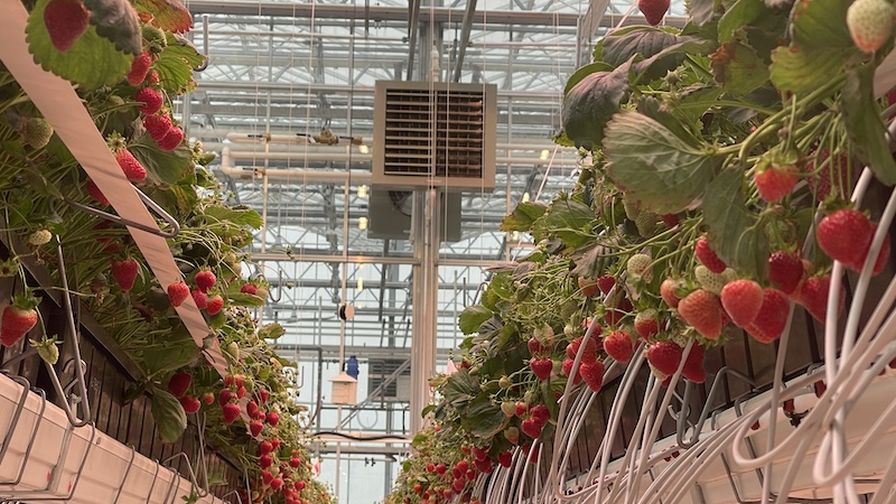
A greenhouse controller helps you control your growing environment as efficiently as possible. | Photo: Ceres Greenhouse Solutions
Greenhouse Control System
If you already have a greenhouse and are considering equipment upgrades to improve your operation, a greenhouse controller is a good place to start.
A single controller that understands the function of each piece of equipment enables separate systems to work in harmony rather than against one another. This helps a greenhouse run as efficiently as possible, using the most appropriate equipment to control the environment, and keeping the growing spaces as close to setpoint as possible for optimal plant health and yields.
Some features to look for in a comprehensive control system:
- Focus on energy efficiency, which will help reduce operational costs by regulating environmental conditions.
- Advanced climate control, where the system integrates with such components as fans, heating systems, supplemental lighting, and shading systems.
- Crop customization, whether you’re growing vegetables, herbs, or berries, which will help you adapt to diverse agricultural outputs and changing market conditions.
- Real-time data collection on environmental variables like temperature, humidity, light levels, and CO2.
- Remote monitoring so you can control your greenhouse conditions from anywhere.
- Scalability to fit the size and complexity of your needs, even as they change.
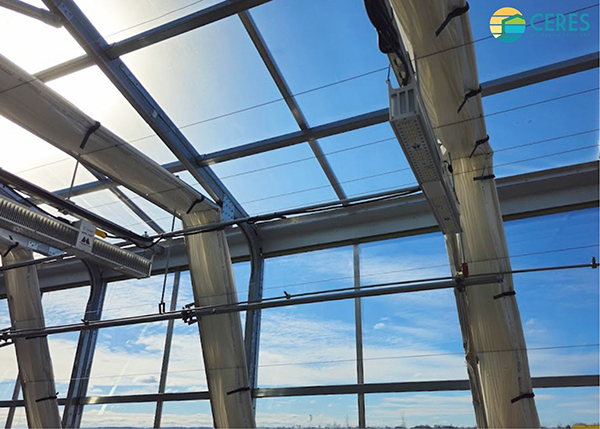
Are you planning to make other greenhouse equipment upgrades? Glazing and lighting are two additional improvements to consider. | Photo: Ceres Greenhouse Solutions
Other Upgrade Recommendations
There are two other upgrades that can greatly improve your greenhouse’s effectiveness. One of the most common issues with older greenhouses is damaged or old glazing material. Most glazing materials, like polycarbonate or polyethylene films, degrade over time, reducing light transmission year over year. This can directly affect the yield and quality of your crops.
Replacing your current glazing with the same type of material is always an option, and you’ll see results immediately with higher lighting levels. Upgrading your glazing to a higher performance material like ethylene tetrafluoroethylene (ETFE) is even better, as ETFE is highly light transmissive (94% for single layer ETFE) and allows UV light to penetrate the greenhouse, reducing pest and pathogen issues while helping you grow healthier, more productive plants.
The second big upgrade to consider is lighting. Many older greenhouses either lack lighting completely or don’t have enough lights to ensure consistent operation throughout the year. On top of that, many older lights use high pressure sodium bulbs, which are inefficient compared to modern lighting options.
Modern LED lights are efficient and can be controlled by the greenhouse controller to turn on only when needed based on available daylight during a plant’s photoperiod. They can also be dimmed to provide just the right amount of light, depending on a grower’s needs. This helps reduce operational costs by using only the necessary amount of power for optimal plant growth, while ensuring plants receive the light they need to thrive.
The greenhouse equipment planning decisions and upgrades you make for your commercial greenhouse are critical to its long-term success. By keeping these considerations and potential improvements in mind, you can significantly improve productivity and reduce operating costs to ensure long-term profitability.