Here’s What’s in the Latest H-2A Reform Bill

Worker from the H-2A program. | Photo: Legacy Labor
The Securing Agriculture’s Workforce Act (SAWA), H.R. 9535, is the product of three years of bipartisan work. Sponsored by House Ag Committee Chairman Glenn “GT” Thompson (R-PA-15), it was built from the ground up with input from the entire industry sector, including growers, greenhouse operators, nurseries, and landscape businesses. If enacted, it would be the first statutory reform of the H-2A program in 40 years.
So, how did the bill come to be, and why does it matter? The team at AmericanHort has answered those questions and more with a detailed document designed for all industry members.
“This was a large group project and could not have been completed without many folks, so thank you to them!” says Matt Mika, Vice President, Advocacy and Government Affairs at AmericanHort.
Years in the Making
During nationwide Farm Bill listening sessions in 2023, House Agriculture Committee Chairman GT Thompson heard the same message from growers everywhere: the lack of a legal, reliable workforce is agriculture’s greatest challenge.
America has lost more than 175,000 farms since 2017 because of labor challenges. According to a Farm Bureau study, in FY 2025, for over 415,000 ag jobs advertised, there were only 182 domestic applications. This is less than 0.04% of the available jobs.
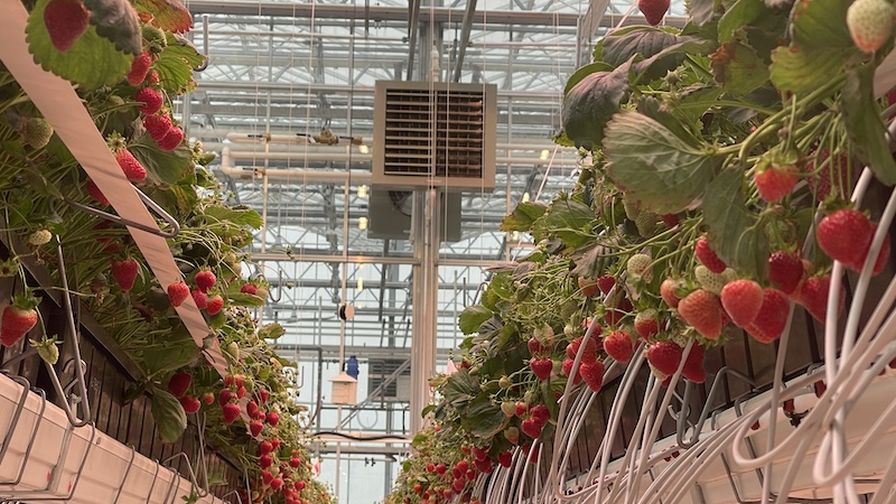
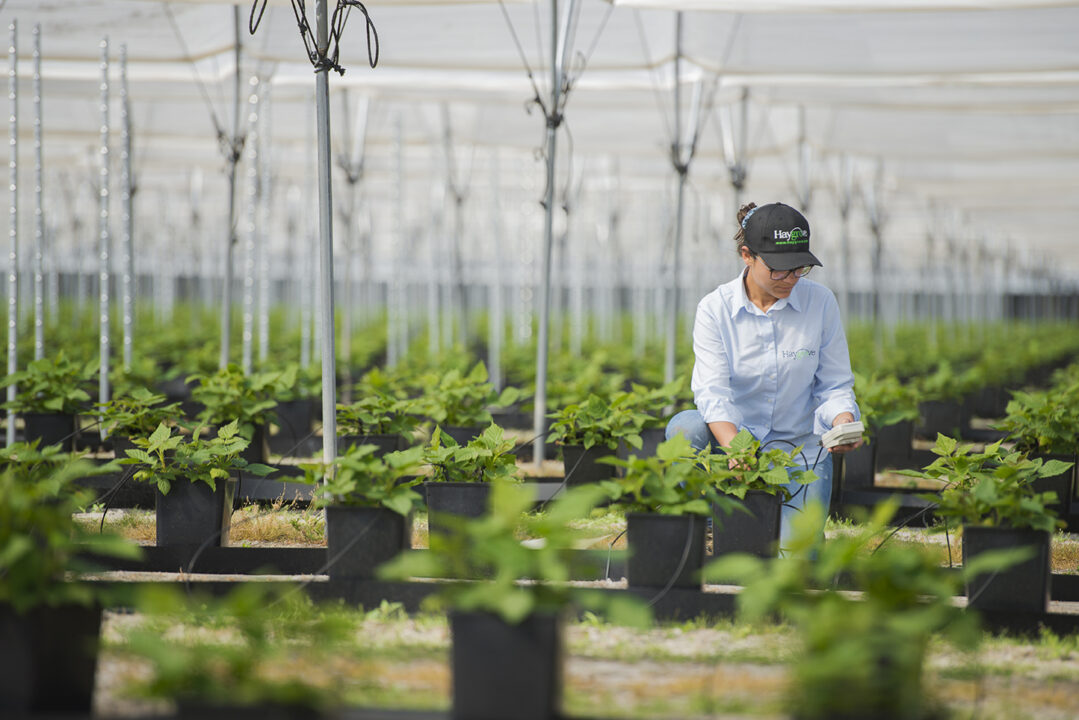

Because of the H-2A program’s seasonal framework, year-round greenhouse operations are excluded from accessing the H-2A program. Furthermore, landscape companies have been forced to rely on the oversubscribed H-2B visa program.
The Agricultural Labor Working Group (2023-2024)
Temporary visa programs like the H-2A visa program fall under the Judiciary Committee’s jurisdiction, not the Agriculture Committee. However, the agricultural labor crisis needed to be addressed. Chairman Thompson and then Ranking Member David Scott (D-GA-13) established the bipartisan Agricultural Labor Working Group, co-chaired by Reps. Rick Crawford (R-AR-01) and Don Davis (D-NC-01).
Over nine months, the working group held five roundtables, surveyed farmers and growers, and heard from stakeholders, employers, and workers, including AmericanHort members.
In March 2024, the Working Group delivered a final report that included bipartisan policy recommendations to the Judiciary Committee. Of the 21 recommendations, 15 had unanimous support.
Drafting SAWA
Because the House Judiciary Committee failed to introduce any legislation to reform the H-2A visa program, Chairman Thompson announced in 2025 that he would work on a bill. AmericanHort and partner organizations from the Agriculture Workforce Coalition (AWC) collaborated closely with Chairman Thompson’s staff in drafting legislation.
The Securing Agriculture’s Workforce Act builds off the recommendations put forth by the Agricultural Labor Working Group while incorporating the Department of Labor’s (DOL) October 2025 Interim Final Rule that reforms Adverse Effect Wage Rate (AEWR) methodology. DOL offered technical assistance throughout the drafting of the bill.
AmericanHort helped shape a discussion draft of SAWA in June 2026.
The introduction of H.R. 9535
Chairman GT Thompson formally introduced H.R. 9535 on June 30, 2026, with 50 original cosponsors and the support of more than 400 agricultural organizations, including AmericanHort. The bill now has 56 cosponsors, as of Aug. 5, 2026.
What SAWA Does for CEA and Horticulture
- Temporary access for greenhouses and nurseries: SAWA removes the requirement that work must be ‘seasonal’ in nature, allowing greenhouse and nursery operations that have been left out of the current system to have access to the H-2A program for 350 days.
- Retains the requirement that work be ‘temporary,’ defined as a job certification of 350 days or less with a maximum of a three-year certification per visa. Workers would be required to return home before starting a new contract.
- Expanded access for agriculture sectors that previously couldn’t use the H-2A program. For landscape businesses, SAWA modernizes the definition of agricultural labor to include horticultural installation. Landscape companies could use H-2A workers to install plants, mulch, and other horticultural materials, even products they don’t own, providing a critical alternative to the H-2B program.
- Wage predictability: SAWA codifies the reformed October 2025 DOL Interim Final Rule (IFR) on AEWR methodology, replacing ongoing rulemaking and litigation with the stability growers need to plan and compete. This rule will roughly save growers $17 billion over 10 years.
- A simpler, streamlined program: H.R. 9535 creates a centralized online platform, clarifies agency roles, and allows for three-year certifications and staggered entry. This makes it easier for companies using the program to administer the program and apply online.
- Requires DOL, the Department of Homeland Security (DHS), U.S. Department of Agriculture (USDA), and the State Department to all work together.
This piece was originally featured on our sister site, Greenhouse Grower. For more information on SAWA’s effects on CEA, click here to read the article.