Preventing the Premature Germination of Greenhouse Tomato Seeds
 June 4, 2026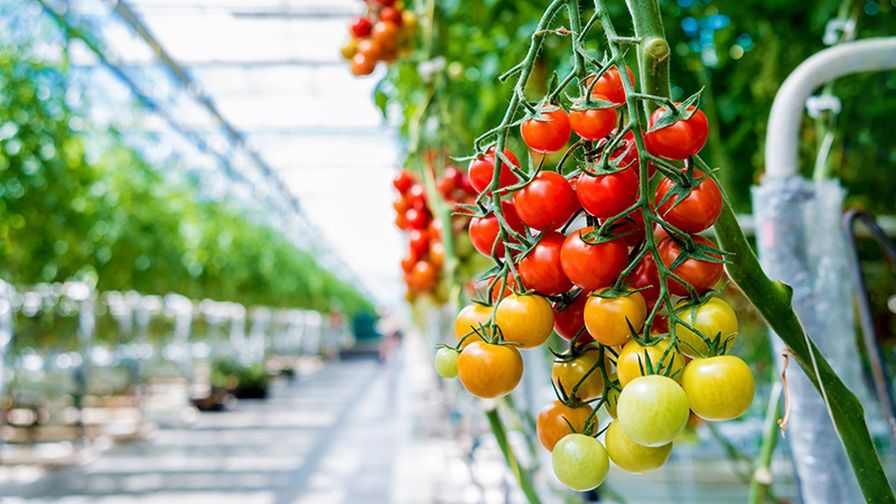
Photo: Koidra
In a recent e-Gro Alert, W. Garrett Owen of The Ohio State University examines the common problem of vivipary (the premature germination of seeds) in greenhouse tomatoes, including its causes, contributing factors, and practical steps to reduce its likelihood in your growing operation.
How Vivipary Occurs in Tomatoes
According to Owen, vivipary “occurs when tomato seeds break dormancy and begin to germinate while still inside the fruit.” This process can be observed when cutting open a tomato, which displays a “radicle emergence from seeds within the locular cavity.” The internal environment of a tomato is very supportive of rapid seed germination, but, under normal circumstances, the seeds remain dormant due to hormonal regulation.
What Triggers Vivipary in Greenhouse Tomatoes
According to Owen, vivipary in greenhouse tomatoes is most commonly associated with conditions from “fruit that remain on the vine beyond the optimal harvest stage,” due to challenges such as delayed harvest intervals and labor shortages. This often leads to the crop becoming overmature, which increases the likelihood of vivipary.
Vivipary is a physiological disorder and is therefore not caused by greenhouse diseases or pests. Additionally, Owen stresses the importance of not correlating the conditions of vivipary (germinating seeds within intact tissue) with internal decay (tissue breakdown, discoloration, fungal growth).
Additional Conditions that Cause Vivipary
Beyond extended time on the vine, Owen notes two additional concerns for the onset of vivipary: storage conditions and plant stress.




Cool storage conditions below 55°F, such as standard refrigeration temperatures, can “increase the risk of chilling-related quality problems and may be associated with vivipary in overmature fruit.”
As for plant stress, Owen notes the issues of “high temperature, inconsistent irrigation, and rapid shifts in rootzone electrical conductivity (EC)” as common, but avoidable, stressors to manage to reduce the risk of vivipary. Despite vivipary being first and foremost a physiological issue, “stabilizing the crop environment and the rootzone is a practical prevention strategy.”
Tips to Avoid Vivipary
Management of vivipary in greenhouse tomatoes is primarily preventative and with a focus on ” harvest discipline and postharvest handling.” If vivipary is observed through tests, harvest intervals should be tightened to expedite the amount of time tomatoes are left on the vine while fully mature. As for post-harvest measures, Owen suggests that growers “avoid storing fruit at temperatures low enough to induce chilling injury” and to “keep handling practices consistent” to keep cold exposure to a minimum.
For additional information on vivipary in greenhouse tomatoes, including additional practical tips for preventive measures, please read the full e-Gro (Electronic Grower Resources Online) alert “Vivipary in Greenhouse Tomatoes.”