Research Brief: Data-Driven Climate Control in Greenhouses
 October 7, 2026
Photo: Adobe Stock
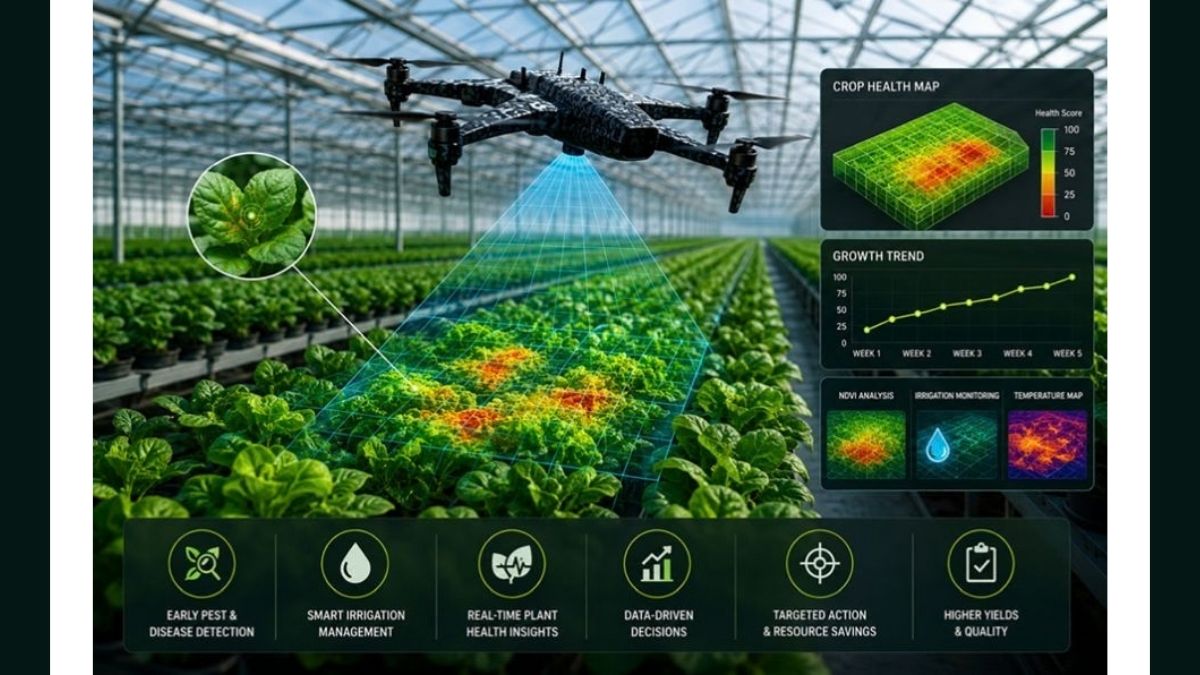
A 2026 preprint study by researchers from the University of Lincoln (U.K.) and the Sant’Anna School of Advanced Studies (Italy) examines how data-driven models can improve greenhouse climate management.
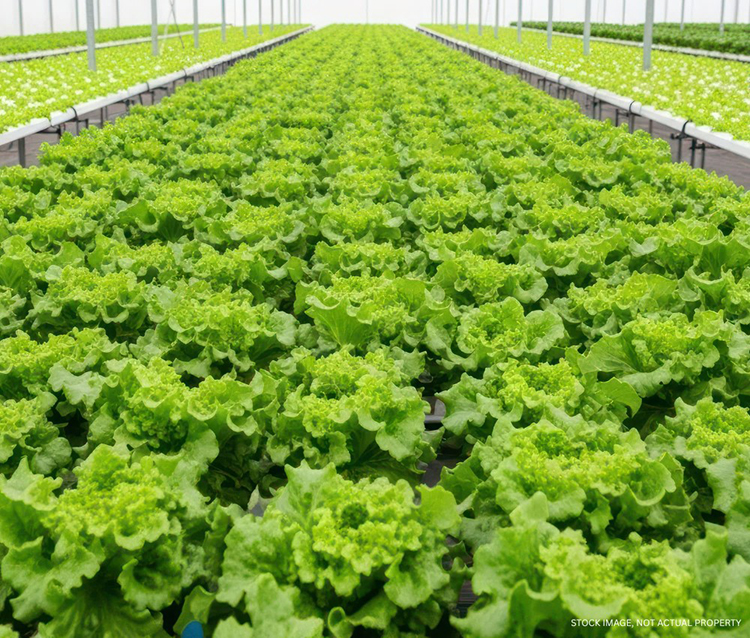
The study looks at how AI can be used to better manage temperature, humidity, and CO₂ levels in simulated greenhouse lettuce production systems. Instead of relying on traditional control systems, which react after conditions drift out of range, the researchers developed predictive models that forecast short-term changes and adjust heating, ventilation, and CO₂ in advance. These models were trained on long-term greenhouse simulations that included weather variability and crop responses.
In testing, the predictive systems substantially improved humidity regulation, one of the more difficult greenhouse variables to manage. As shown in the results, humidity violations dropped significantly compared to standard control methods, with average day-night temperature deviations generally remaining below 2°C. The models were also able to balance crop growth with energy use, maintaining similar dry matter production while improving heating efficiency.
The study also found that simpler models (GRU) performed slightly better than more complex ones (LSTM), especially in terms of speed and consistency.
Editor’s note: This article was originally published in our 2026 Industry Report: Greenhouse Produce.