80 Acres Farms Ceases Operations After a Decade of Vertical Farming Growth
 August 3, 2026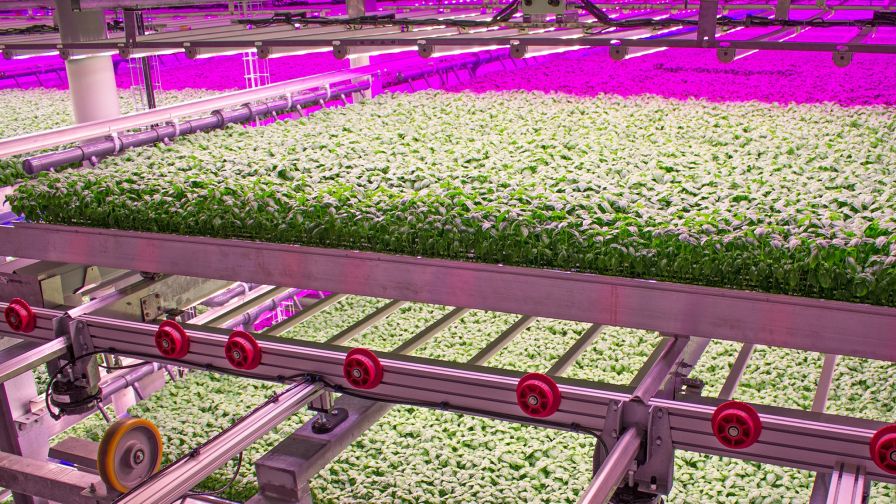
80 Acres Farms
In another huge blow to the vertical farming industry, 80 Acres Farms has announced that it’s ceasing operations. Mike Zelkind, CEO and co-founder, issued the following statement:
“After an exhaustive effort to find a way forward, 80 Acres Farms is winding down operations.
“For a decade, our team has proven that vertical farming can work at scale—building and operating indoor farms that ultimately supplied more than 18,000 retail locations across the U.S. We’re proud of our work, the problems we solved, and the fresh, clean produce that fed so many people.
“Unfortunately, under current circumstances, we could not secure the capital required to continue that work.
“We are deeply grateful to our employees, our retail partners, and the communities that have supported us. We have seen vertical farming’s potential up close, and we still believe that this industry is just getting started, and that we have helped plant the seeds for generations of future harvests.”



A spokesman said the company would be offering no further comment at this time.
From Vertical Farming Startup to National Scale
The announcement marks a stunning reversal for a company that, until very recently, appeared to be one of vertical farming’s strongest survivors. Zelkind and Tisha Livingston founded Cincinnati-based 80 Acres Farms in 2015, initially using mostly their own money and starting small. They experimented with container farms and individual technologies before opening their first brick-and-mortar farm in 2017 and gradually moving into larger, more integrated systems.
“One of our corporate values is, ‘Fail fast, cheaply, and with tremendous insight,’” Zelkind told CEAg World last year. “Once we figured out what worked, then we built slightly larger systems, and then started thinking about how to scale it.”
That scale accelerated dramatically beginning in 2024. The company raised $115 million that year, acquired salad-dressing company Mother Raw and Israeli plant-breeding company Plantae Biosciences, and in early 2025 acquired three former Kalera vertical farms in Georgia, Texas, and Colorado.
Then, in August 2025, 80 Acres merged with Soli Organic, creating an indoor-farming network expected at the time to generate nearly $200 million in first-year revenue and serve more than 17,000 retail locations.
Rapid Growth Put New Demands on 80 Acres Farms
By this spring, the company described its growth as a jump from roughly $8 million in revenue in 2021-22 to $180 million. Even then, its leadership emphasized the challenge that came with that expansion.
“Having the infrastructure to support a bigger company, so that we can continue to deliver on time with consistency and high-quality products, is really important,” Livingston told CEAg World in a roundtable interview about vertical farming. “We have to maintain that operational discipline.”
Now, just months later, 80 Acres says it was unable to secure the capital needed to continue operating.
We will update this story as more information becomes available.