Human Touch Over Tech: The Essential Role of Skilled Growers in CEA
 April 29, 2025
In the last few years, I have seen the high-tech horticultural world transform before my eyes. Greenhouses that once relied on hands-on labor are now buzzing with digital tools. Robotic harvesters pick crops with mechanical precision, climate control systems adjust the environment minute by minute, and artificial intelligence (AI) predicts plant diseases long before any visible symptoms appear.
Technology is moving at an incredible pace, and greenhouses are turning into sophisticated ecosystems built on data. Still, one thing has never changed in my view: A skilled grower remains absolutely essential.
The Rise of AI and Automation in Horticulture
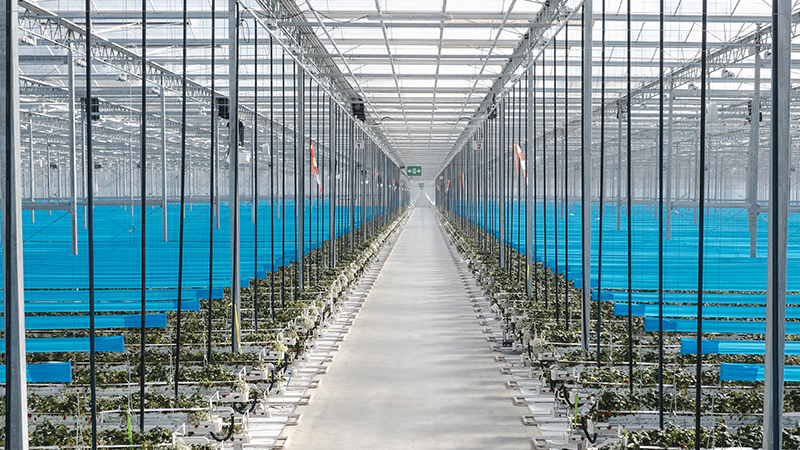
Today’s greenhouses look nothing like those of the past. Sensors track light, humidity, and nutrient levels around the clock. Cameras scan every leaf for pests and diseases. Algorithms digest endless streams of data and suggest what should happen next. These innovations bring tremendous benefits, offering consistency and helping manage operations across thousands of square meters that would otherwise be impossible to oversee manually.
Labor shortages, especially in Europe and North America, have only sped up the adoption of these technologies. Robotics continue to step in to handle repetitive tasks like pruning, transplanting, and harvesting. AI systems have been trained on decades of crop data to assist growers in making better and faster decisions. And yet, in every operation I visit, I am reminded that no machine can replace the human element that makes or breaks a crop.
Why Skilled Growers Are Still Essential
What technology can replicate in logic, a grower surpasses with intuition. Years of observation, hands-on work, and an intimate understanding of how plants behave give experienced growers an edge that no algorithm can match. Technology might tell you when your crop is statistically ready, but a grower will see, feel, and know when it truly is.
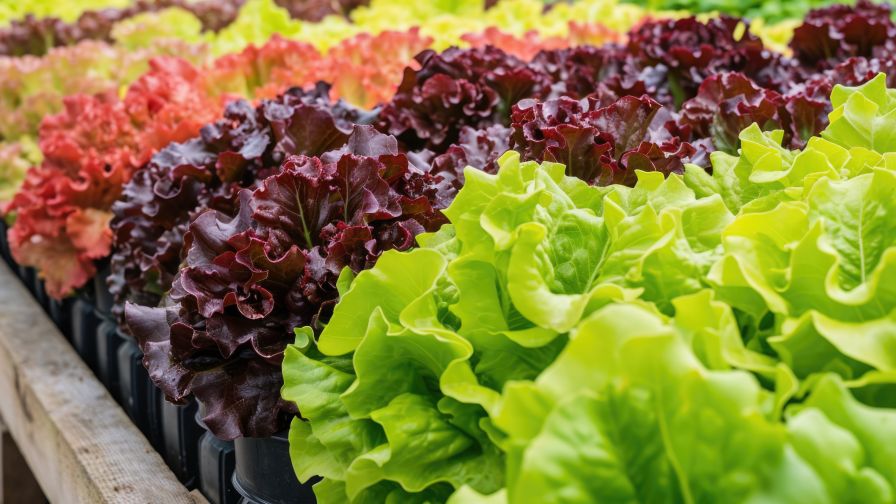

A robot might monitor leaf color, but a grower will notice a subtle droop, a faint shift in scent, or a small texture change that reveals hidden stresses.
An AI program might suggest the perfect watering schedule, but a grower will sense how a cloudy spell, a warmer breeze, or a plant’s changing maturity demands a different touch.
Especially with high-value crops like premium vegetables and delicate fruits, this human insight is not just helpful, it is crucial. Quality can be a matter of instinct as much as measurement, and small missteps can have big consequences.
The New Role of the Grower: From Operator to Strategist
Instead of replacing skilled growers, technology is reshaping their role. Today, a good grower is not just someone who cares for plants, but someone who can translate data into action. They read climate charts, adjust strategies based on real-time information, and coordinate teams who all rely on their expertise.
In my experience, the best operations are those where technology and human insight work together seamlessly. Skilled growers use AI to strengthen their decisions, not replace them. They understand the numbers, but they also trust their instincts when the data does not tell the full story.
Why the Human Factor Remains Vital
The future of horticulture doesn’t belong to AI or robotics. It belongs to teams that know how to leverage these tools, adjust in real time, and keep the grower’s instinct at the center of their decisions. Training, development, and recruitment of skilled professionals remain essential.
Companies are not just looking for someone who can operate an irrigation system, they are searching for team players, leaders, and visionaries. Growers who combine technical skills with deep crop knowledge are in higher demand than ever before.
The greenhouses of the future will be filled with software and sensors, but they will also need passionate, skilled people who can walk the aisles and understand what their plants are telling them. Technology can grow crops efficiently, but humans can grow them better. And that is a future I am excited to be part of.