Opinion: Greenhouses Are Becoming Essential to Food Security
 July 8, 2026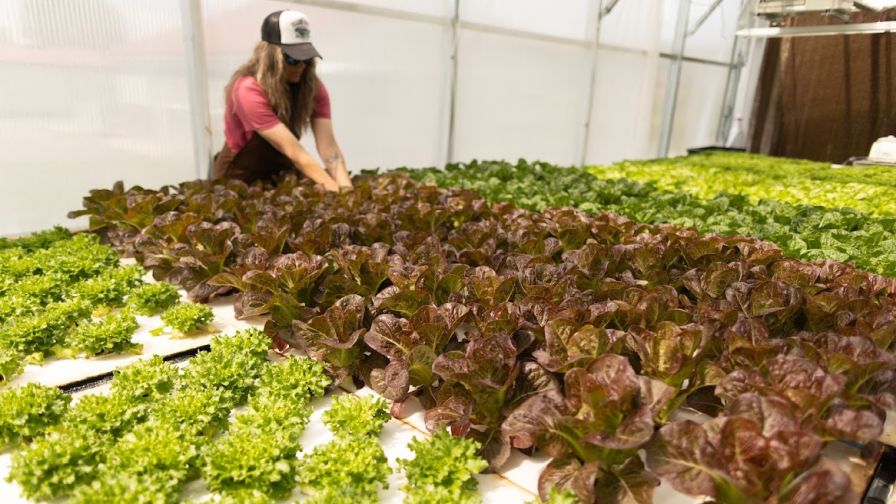
Photo: Ceres Greenhouse Solutions
It’s hard to ignore what’s going on in the world with rising energy and food prices. In a period of just seven years, we have had three global “once in a lifetime” disruptions of the food supply: COVID-19 in 2020, the start of the war in Ukraine in 2022, and, in 2026, the closure of the Strait of Hormuz, impacted by the war between the U.S., Israel, and Iran.
The conclusions governments are drawing are uncomfortable but clear: A food system built on long supply chains and a handful of chokepoints is a fragile system. Resilience requires producing more food closer to where it is consumed.
Besides the human-made problems stated above, a slower crisis is emerging: water scarcity and farmland salination in low-lying coastal regions from rising sea levels, resulting in farmland under stress. The UN has begun using the term “water bankruptcy” to describe the situation in the most stressed regions. This language is meant to convey that the system is not just stretched but structurally insolvent.
Why Commercial Greenhouses Are Part of the Answer
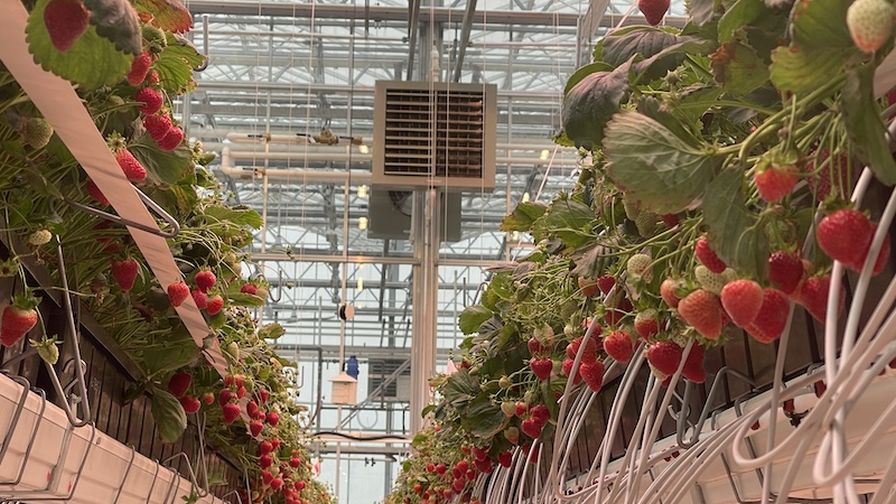
A well-designed greenhouse is not just a building that protects crops from the weather. It’s a closed or semi-closed system that can produce 10 to 100 times more calories per square meter per year than open-field farming. It can recycle water, and it eliminates the need for most pesticides. All of this can be achieved year-round, regardless of the season.
Here are four reasons commercial greenhouses are relevant right now:
1. Water Efficiency at Scale:
Modern hydroponic and recirculating grow systems capture transpired water, filter it, and feed it back to the crop. In arid regions where every cubic meter of water counts, this is the difference between a business being profitable or not.
2. Independence from Weather and Import Shocks:
A greenhouse cluster located near a city can supply leafy greens, tomatoes, peppers, herbs, and berries even when global shipping is disrupted, fuel prices spike, or local rainfall fails. That is exactly the kind of resilience that governments and individuals should now be willing to invest in.
3. Localization of High-Value, Perishable Production:
Greenhouses are best suited to the produce that is most expensive to ship and most prone to spoilage. These crops are also the healthiest, and lose their nutritional benefits during cold storage and transport. Replacing imports of fresh vegetables and fruits is often the highest-impact place to start.
4. Local Employment Opportunities:
Greenhouses provide meaningful, well-paid jobs for many skilled workers at all skill levels.
History and the Future
Especially in the last few years, there has been a push to overengineer food production. Fully automated greenhouses or indoor growers were supposed to solve all problems. Unfortunately, that vision did not come through. As energy prices soared, indoor growing faded.
The people who are succeeding have built greenhouses around the world, invested in and trained the workforce, and produced crops to meet local market demand.
But most of agriculture is traditionally a low-margin business. And unless you find cost efficiency measures, even greenhouse operators will earn just enough to get by.
Here are a few emerging trends to help the greenhouse industry:
1. The economics are shifting in favor of CEA. Countries that previously dismissed CEA as too expensive are now building it into a national strategy. As fuel and fertilizer prices stay volatile, water becomes scarcer, and governments place a higher premium on supply-chain resilience, the relative cost of greenhouse production looks better than it did even five years ago. I assume, if current trends hold, that more and more governments will support the building of small and large-scale greenhouses around the world with low-interest loans and land leases or maybe even grants. High interest rates are the enemy of low-margin businesses. The last few years have shown that food production is not just a business; it is a life-sustaining enterprise.
2. In colder climates, greenhouses next to data centers are now all the rage. Although this trend is just taking off, these projects will make a huge impact on our food supply. Land is cheap, lots of money seems to be available, and heat for winter heating is plentiful. These greenhouses can often be the deciding factor if a project can be realized or not. Greenhouse profitability itself is less of an issue, as data centers are the main profit center.
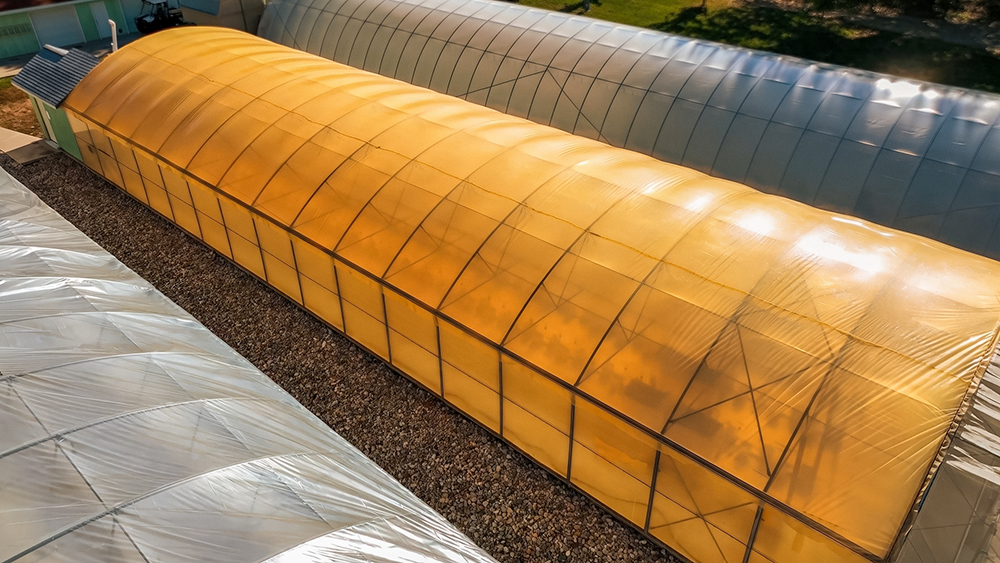
3. In warmer climates, new greenhouse covers are emerging that can help passively cool greenhouses without affecting the light transmission. Most importantly, these films can reduce leaf temperatures significantly. Cooler leaves mean plants can happily grow at much higher ambient temperatures. These technologies are a game-changer for the greenhouse industry, both in high- and low-tech greenhouses in hot climates.
4. Greenhouses work best for high-value, nutrient-rich, perishable crops, not staple grains. Most people know that seed companies worldwide have been working for more than 100 years to adjust the genetics of most crops to make them more tolerable to a changing climate. Now these seed companies make seeds for greenhouse-specific crops that will increase the yield and quality of many crops many times over.
5. New technologies are emerging from suppliers not typically involved in food production or the greenhouse market. Many of these projects would not see the light of day without generous support from local governments. These grants are essential for guaranteeing our food supply for generations to come.
More and more bright people are showing an interest in enhancing food production and decreasing the reliance on excessive power in controlled environmental agriculture. Now, for the first time, even the geekiest programmers are all excited to jump into the fray of optimizing food quality and quantity by using AI to predict future yields and, with it, to optimize the growing conditions. These technologies are desperately needed to help the industry move from being a niche supplier of high-value food toward being able to produce food at scale. We at Ceres Greenhouse Solutions would not have been able to get started unless we had support from the USDA a few decades ago.
6. The geopolitical lesson is the most important one. Recent disruptions have reminded the world that a food system built on a few chokepoints is one regional conflict or one communicable disease away from crisis. Local production at every scale, in every region, is no longer a luxury or an aesthetic preference. It is a hedge against a more turbulent world. Greenhouses are one of the most powerful tools available for building that hedge, and the countries investing in them now will be measurably more resilient when the next shock arrives.
Let’s work together to do our part to make our world more food secure for everyone. Whether you’re in the greenhouse industry or you’re an academic, scientist, or investor, please reach out if you’d like to collaborate with us.