Research Brief: Managing Heat Stress in Lettuce
 August 19, 2026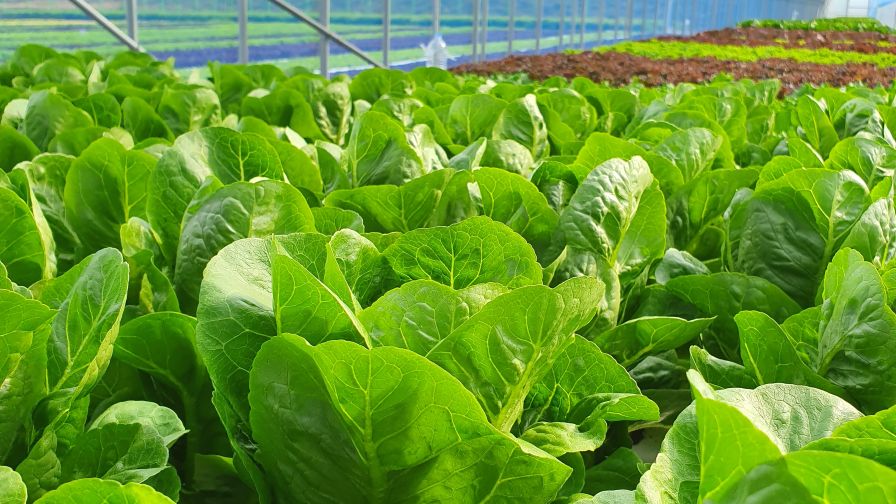
Photo: Magnific
High temperatures are emerging as one of the most significant constraints on lettuce production in both field and controlled environments. A report published in Agronomy (January 2026) by researchers at the University of Florida shows that once temperatures approach or exceed 30°C, lettuce shifts from vegetative growth toward reproductive development and bolting. That can lead to reduced head formation, lower marketable yield, and a greater risk of disorders such as tip burn. Heat stress can also reduce germination and complicate crop establishment.
The research highlights that heat affects nearly every part of plant function. Photosynthesis becomes less efficient, water loss increases, and plants redirect energy away from leaf development. Morphologically, heads become looser and leaves narrower, traits that reduce both yield and quality. In many cases, growers may see 20–40% yield reductions under sustained high temperatures, along with a significant drop in marketable product.
Several practical strategies emerge from the findings. The report points to canopy temperature as an important indicator of heat-stress response, alongside airflow, humidity, and irrigation management. Cultural practices such as adjusting planting timing, improving airflow, using shade, and maintaining consistent irrigation can reduce stress during peak heat periods. The paper also points to the growing importance of heat-tolerant cultivars, as genetic differences strongly influence how plants respond to stress.
Editor’s note: This article was originally published in our 2026 Industry Report: Greenhouse Produce.