How to Better Protect Your Greenhouse Data
 October 8, 2026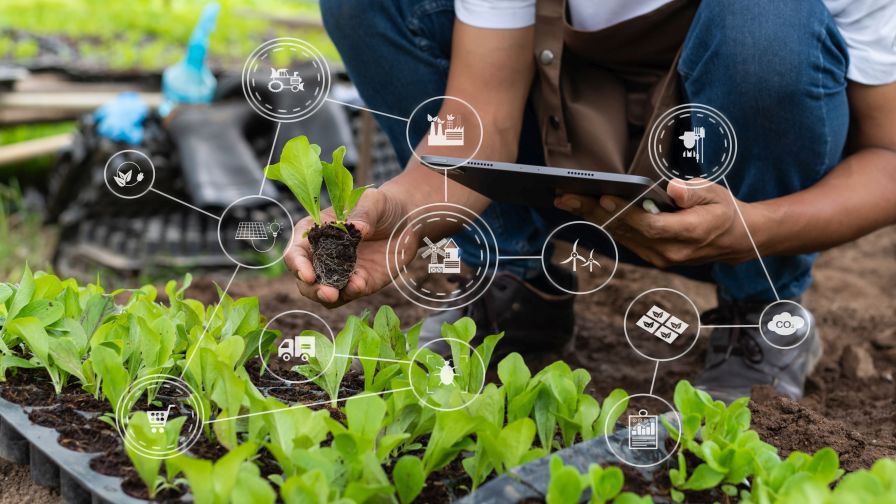
Photo: Adobe Stock
An article from Priva highlights the growing importance of cybersecurity in modern greenhouse operations as growers rely more heavily on connected technologies, cloud platforms, and real-time data management. From climate control and irrigation systems to crop performance analytics, greenhouse operations increasingly depend on digital tools that generate and store large volumes of operational data. Therefore, protecting that information is essential to maintaining efficient production and minimizing business risk.
Security Begins Before Systems Go Live
According to Priva, effective cybersecurity “begins during the development phase of hardware, software, and cloud-based solutions.” By incorporating security measures from the very beginning, many risks and vulnerabilities can be identified and addressed before systems are deployed in commercial production environments.
Another key component of greenhouse cybersecurity is controlling who can access operational data. Modern authentication practices, including multi-factor authentication (MFA), provide an added layer of protection against unauthorized access. Limiting access to only those who need it helps to strengthen overall security and reduce vulnerabilities.
Building a Secure Foundation for the Future
For commercial CEA produce growers, cybersecurity should be viewed as part of operational resilience. Strong data security depends on a combination of secure technology, user access controls, ongoing updates, and established management processes. As greenhouses become more connected and data-intensive, a proactive cybersecurity strategy can help protect crops, maintain productivity, and support long-term business growth.
For additional information on greenhouse data security, read the full story on the Priva website.