CEA Basics: Busting Buyer Myths About CEA Produce
 August 19, 2025
As controlled environment agriculture (CEA) continues to scale, more buyers, chefs, retailers, and consumers are taking notice of indoor-grown produce. But as any CEA producer knows, familiarity doesn’t always equal understanding. Despite proven advancements in quality, consistency, and sustainability, CEA-grown crops may still face pushback rooted in outdated or inaccurate assumptions.
For commercial CEA producers and marketers, that means part of the job is education. To land the sale—or the long-term partnership—you’ll need to address these seven persistent misconceptions with clarity and confidence.
1. “Isn’t this genetically modified?”
This is still one of the most common questions from first-time buyers, especially when they see the tech-heavy environment behind your product. In reality, most CEA operations use traditional, non-GMO seed genetics—the same varieties grown in conventional field agriculture.
GMO seeds are created through laboratory techniques that insert genes from other species, while traditional seed genetics rely on conventional breeding methods within a plant’s natural genetic variation. The controlled growing conditions in CEA facilities eliminate many challenges that drive GMO development in field agriculture, such as herbicide resistance or pest pressure.
Marketing tip: Emphasize that CEA maximizes natural genetics by eliminating environmental variables, not by altering DNA. The system is what drives performance improvements.


2. “It must be less nutritious without sunlight or soil.”
This assumption comes up more than you’d expect. But data continues to show that CEA crops can match or exceed the nutritional profile of their field-grown counterparts. Light intensity, spectrum control, and nutrient delivery are optimized to support specific plant outcomes, something traditional farming can’t always guarantee.
Hydroponic systems and LED grow lights allow precise control over the nutrients and light wavelengths that drive vitamin and mineral development in plants.
Marketing tip: Highlight studies, third-party tests, or partnerships with nutrition experts to validate nutrient claims for your indoor farming operation.
3. “Isn’t this just hydroponics?”
To many, “CEA” and “hydroponics” are interchangeable terms. That narrows perception and undermines innovation. While hydroponic growing systems are common, controlled environment agriculture also includes aeroponics, aquaponics, and even soil-based systems inside high-tech greenhouses.
Marketing tip: Frame CEA as an umbrella term that reflects environmental control technology, not a single growing method. Your facility might use multiple approaches depending on crop requirements.
4. “If it’s indoors and pesticide-free, it must be organic, right?”
The assumption that indoor farming = pesticide-free = organic can backfire. Yes, CEA facilities often minimize the need for pesticides and fungicides through integrated pest management and biological controls. But unless certified, it’s not legally organic under USDA standards.
Many commercial CEA operations focus on sustainable growing practices and pesticide reduction without pursuing organic certification due to the complexity and costs involved.
Marketing tip: Don’t oversell the “clean” aspect. Instead, lead with traceability, food safety protocols, and transparency in your growing methods.
5. “Indoor farming is unnatural.”
To some buyers, produce should come from sun and soil or it doesn’t feel legitimate. But CEA technology doesn’t replace natural biology; it enhances it. You’re still growing a plant, just in a precisely optimized environment that eliminates weather variability and contamination risks.
Marketing tip: Reframe the conversation. This is nature, uninterrupted—without drought, pests, or pollution affecting your crop quality and harvest consistency.
6. “All you can grow indoors is lettuce.”
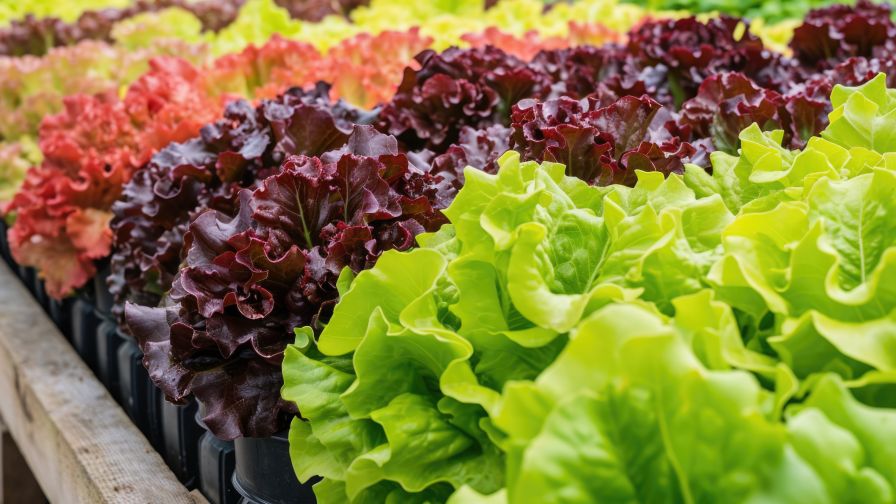
Not anymore. While leafy greens and herbs dominated early CEA ventures, today’s facilities are producing berries, tomatoes, peppers, cucumbers, mushrooms, and microgreens. Crop diversity is expanding as growing technology and economics evolve.
Vertical farms and advanced greenhouse systems now support longer-cycle crops that were previously considered uneconomical for indoor production.
Marketing tip: Showcase your range with visuals. Buyers are often surprised by what’s possible in modern controlled environment facilities.
7. “CEA is always the most sustainable option.”
CEA sustainability is often marketed as the answer to agriculture’s environmental footprint. And in many ways, it is—especially in terms of water efficiency, land use optimization, and reduced food miles. But energy consumption, especially from LED lighting and HVAC systems, can complicate the sustainability story.
Many CEA operations are addressing this through renewable energy integration, energy-efficient technologies, and waste heat recovery systems.
Marketing tip: Be transparent about the full sustainability picture. Emphasize closed-loop systems, renewable integration, and ongoing efficiency efforts in your commercial operation.
Education Is Part of the Pitch
As the controlled environment agriculture sector grows, so does the need to actively manage the conversation around it. Buyers want consistent product quality, reliable delivery, and clear benefits. But they also want to feel informed about indoor growing methods and production practices.
Addressing misconceptions head-on can deepen trust, remove hesitation, and help your CEA produce stand out in a competitive marketplace. Whether you’re operating greenhouse systems, vertical farming facilities, or container farms, clear communication about your methods and benefits remains essential for market success.
Understanding these common buyer concerns allows commercial growers to proactively address questions and build stronger relationships with retail partners, foodservice buyers, and end consumers.
The CEA Basics series includes a range of articles for those new to growing food under cover. This article was produced with the support of AI tools and was reviewed and refined by CEAg World’s editorial team.