U. of Kentucky Researchers Develop Robot for Healthier Greenhouse Tomatoes
 August 24, 2026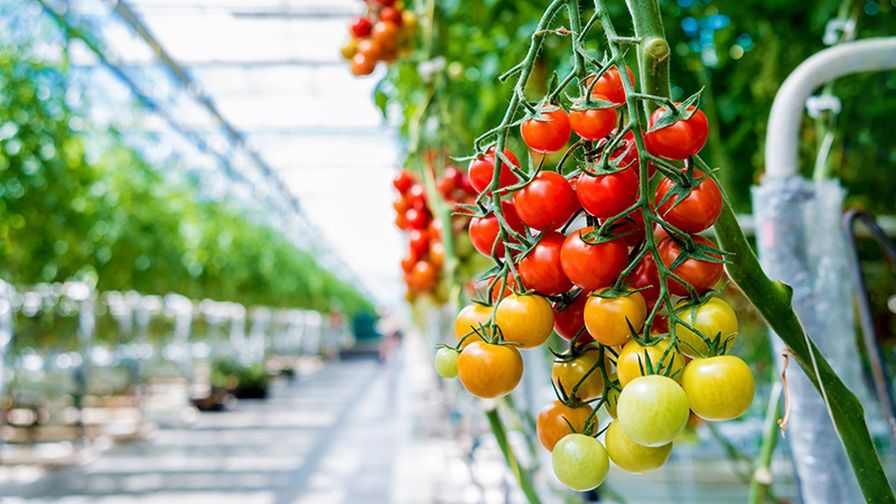
Photo: Koidra
A team of researchers at the University of Kentucky (led by Biyun Xie, Ph.D., of the Stanley and Karen Pigman College of Engineering’s Department of Electrical and Computer Engineering, and Qinglu Ying, Ph.D., of the Martin-Gatton College of Agriculture, Food and Environment’s Department of Horticulture) are developing a robotic system designed to provide commercial greenhouse growers with healthier tomatoes while also reducing the time and labor needed for crop development. The aim of the $1.2 million project, funded by a U.S. National Science Foundation grant, is to automate plant phenotyping (i.e., the measurement of traits such as fruit number, size, health status, canopy structure, etc.).
The Research Objectives and Design of the Robotics Project
The four main research objectives of the project are:
- To train deep learning models that enable the robot to correctly identify tomato plants
- To create new robotic motion-planning algorithms for optimal camera positioning and image collection
- To design AI models capable of simultaneously measuring dozens of tomato traits
- To develop an efficient, reliable, and cost-effective wireless charging system for the platform.
The mobile robotic platform is designed to travel greenhouse rows and move into the tomato canopy, where it can capture detailed images without disturbing plants. AI models would then analyze multiple fruit characteristics and determine when additional imaging is needed, potentially giving growers more consistent data for crop-management decisions.
For CEA operators, this technology points toward a broader role for autonomous systems in greenhouse production, providing growers with faster and more accurate information regarding plant health and development to better support crop productivity.
You can read the full original article on the University of Kentucky website here.